Endoscopic Spine Surgery
Pain Management Procedures
Mini Spine Fusion and Spine Disc Replacement




Stem Cell Therapy
Stem cells naturally exist within the body and play a vital role in healing. Advances in modern science and medicine now allow us to use these cells in the treatment of injuries and areas affected by wear and tear.
By harvesting and concentrating stem cells from a patient’s own body, they can be reintroduced into damaged tissues. Once delivered, these stem cells stimulate the body’s natural repair processes, promoting healing and often resolving the underlying condition.
At Atlantic Spine Center, we are proud to offer this safe, innovative, and effective procedure, especially for degenerative disc disease and other spine-related conditions.

What Are Stem Cells
Stem cells are unique cells with the ability to develop into many different cell types in the body. Unlike most other cells, they can self-renew and divide indefinitely, giving them a special role in growth, healing, and regeneration.
Stem cells have the potential to revolutionize medicine by allowing scientists to study the development of diseases and by providing new treatments for a variety of conditions. For example, stem cells can be used to generate cells for replacement therapies in diseases such as Parkinson's and Alzheimer's, or to study the development of cancer cells.
Stem cells are found in various tissues throughout the body, including the bone marrow, blood, and embryonic tissue. There are two main types of stem cells: embryonic stem cells and adult stem cells. Embryonic stem cells are derived from early-stage embryos, while adult stem cells are found in tissues of developed individuals.
Embryonic Stem Cells
Embryonic stem cells have the ability to differentiate into any type of cell in the body, making them a potential source for regenerative medicine. However, their use is often controversial due to ethical concerns surrounding the destruction of embryos.
Adult Stem Cells
Adult stem cells, on the other hand, have a more limited capacity for differentiation, but they can still give rise to multiple cell types. They are commonly used in bone marrow transplants to treat conditions such as leukemia.
What Is Stem Cell Therapy
Stem cell therapy is a medical treatment that involves the use of stem cells to repair or replace damaged or diseased cells, tissues, or organs. The goal of stem cell therapy is to provide a more natural and effective way of treating conditions that would otherwise require more invasive procedures, such as surgery or drug treatments.
Stem cells are unique in that they have the ability to differentiate into many different types of cells in the body, depending on the environment they are in. This property makes them ideal for use in therapy, as they can be directed to develop into specific cell types to treat a particular condition.
Stem cell therapy can be done using two main types of stem cells: embryonic stem cells and adult stem cells. Embryonic stem cells are derived from early-stage embryos and have the ability to differentiate into any type of cell in the body. Adult stem cells, on the other hand, are found in tissues of developed individuals and have a more limited capacity for differentiation.
Stem cell therapy is currently being used to treat a range of conditions, including injuries to the musculoskeletal system, such as spinal cord injuries and torn ligaments. It is also being explored as a treatment for diseases such as Alzheimer's, Parkinson's, and cancer.
The use of stem cells in therapy is still a relatively new field, and much research is needed to fully understand the potential benefits and risks. However, the results so far have been promising, and stem cell therapy is considered a promising area for future medical advancements.
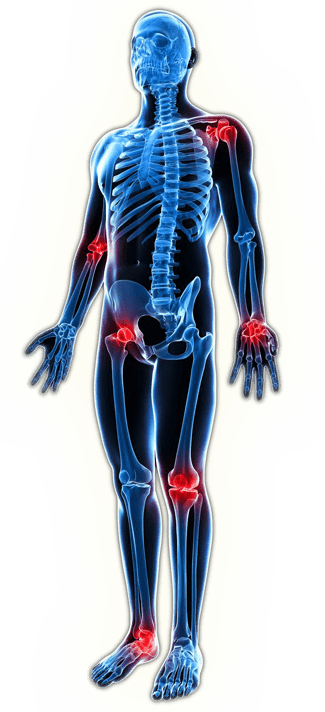
Stem Cell Therapy Treatment
Stem cell therapy is a medical treatment that involves the use of stem cells to repair or replace damaged or diseased cells, tissues, or organs. While much research is still needed to fully understand its potential, the results so far have been promising, and stem cell therapy is considered a promising area for future medical advancements.
Stem Cell Therapy Dangers
Stem cell therapy, while showing great promise as a treatment for a variety of conditions, also comes with some potential dangers. As with any medical procedure, there are risks involved in stem cell therapy, and it's important to be aware of these risks before undergoing treatment.
One of the main dangers of stem cell therapy is the potential for the stem cells to form tumors. In some cases, stem cells may divide uncontrollably, leading to the formation of tumors. This can be particularly dangerous in cases where the stem cells are being used to treat cancer, as the tumors may contain cancerous cells.
Another potential danger of stem cell therapy is the risk of immune rejection. The body's immune system may recognize the transplanted stem cells as foreign and attack them, leading to rejection. This can be a particular concern in cases where the stem cells are derived from a donor.
Frequently Asked Questions About Stem Cell Therapy
Where are the Stem Cells Harvested From?
The most common and richest source comes from your bone marrow. The preferred access location is from the Iliac crest (front tip) of the hip bone.
What Happens Next?
Once extracted, the marrow concentrate with the adult repair cells and growth factors are spun down for separation in a special machine. Once ready, the cells are then implanted into the problem area.
Is this Procedure Approved by the FDA?
While collecting bone marrow cells from the hip (iliac crest) is an FDA-approved medical procedure, the use of those cells, specifically adult mesenchymal repair cells, for treatment is still being reviewed by the FDA. However, when the cells are simply concentrated and not changed or combined with other substances, this is considered “minimally manipulated.” In such cases, and when the cells are used for the same function they have in the body, the procedure may be considered part of standard medical practice and may not require separate FDA approval.
What Conditions Can Stem Cell Therapy Treat?
- Spine - Disc related back pain, Facet joint disease, Degenerative disc disease
- Shoulder - Rotator cuff injuries, Cartilage tears, Osteoarthritis
- Hip - Osteoarthritis, Cartilage tears and injuries
- Knee - Osteoarthritis, Meniscal (MCL) tears, ACL or PCL injuries
- Foot and Ankle - Osteoarthritis, Tendonitis, Achilles tendon injuries
How Is the Stem Cell Therapy Procedure Performed?
- Harvest Bone Marrow 15 Min - To Harvest Repair Cells.
- Repair Cells are Harvested from your own bone marrow.
- Extracting Repair Cells 20 Min - Processing Of The Repair Cells.
- Mesenchymal cells are extracted and an injection is prepared.
- Administer to Patient 15 Min - To Inject the Processed Repair Cells.
Stem cells are a type of cell with unique properties that make them a valuable tool in the field of medicine. Despite some ethical concerns, the potential benefits of stem cells for improving human health are significant, and research into their use is ongoing.